
Tiny Kitchen Design: Maximizing Space with Smart Ideas (2026)
Table of Contents
- 1. The Challenge of Tiny Kitchen Design: A Strategic Approach
- 1.1. Setting a Realistic Budget for Your Tiny Kitchen Remodel
- 2. Mastering Tiny Kitchen Design Layouts for Optimal Flow
- 2.1. The Galley Kitchen: A Timeless Solution for Compact Spaces
- 2.2. L-Shaped Layouts: Cornering the Market on Efficiency
- 2.3. Single-Wall Kitchens: Streamlined Simplicity
- 2.4. Creative Zones: Beyond Traditional Footprints
- 3. Materializing Your Vision: Smart Selections for Small Kitchens
- 3.1. Cabinetry: The Foundation of Tiny Kitchen Storage
- 3.2. Countertops: Balancing Durability with Visual Impact
- 3.3. Flooring and Backsplash: Expanding Perceptions
- 3.4. Lighting: Illuminating Space, Not Just Surfaces
- 4. Executing Your Tiny Kitchen Transformation: From Plan to Perfection
- 4.1. Appliance Selection: Sized for Success
- 4.2. Strategic Storage Solutions: Every Inch Counts
- 4.3. Color Palettes and Finishes: The Illusion of Grandeur
- 4.4. Professional Partnerships: Designing with Expertise
- 5. Bringing Your Tiny Kitchen Dream to Life
- FAQ
Living in a compact space shouldn’t mean sacrificing culinary dreams or functional aesthetics. Many homeowners face the daunting task of transforming a small, often overlooked, cooking area into a hub of efficiency and style. This guide provides comprehensive solutions for successful tiny kitchen design, offering innovative ideas and practical advice to maximize every square inch. We’ll explore how smart planning and clever choices can unlock the full potential of your compact kitchen, turning challenges into triumphs for any tiny kitchen design project.
1. The Challenge of Tiny Kitchen Design: A Strategic Approach
Designing a tiny kitchen is more than just fitting appliances; it’s about strategic space utilization and thoughtful planning. The limited footprint demands innovative solutions that merge functionality with aesthetic appeal. A successful tiny kitchen design prioritizes efficient movement, ample storage, and an illusion of spaciousness.
1.1. Setting a Realistic Budget for Your Tiny Kitchen Remodel
Before any sawdust flies, establishing a realistic budget is crucial for your tiny kitchen design remodel. Consider costs for demolition, cabinetry, countertops, appliances, flooring, lighting, and professional fees. Remember that even a small space can incur significant expenses if high-end materials or custom solutions are chosen.
2. Mastering Tiny Kitchen Design Layouts for Optimal Flow
An effective layout is the cornerstone of any successful tiny kitchen design. The goal is to optimize the work triangle – the distance between the sink, refrigerator, and stove – ensuring smooth transitions and preventing bottlenecks. Each layout offers distinct advantages for maximizing limited space.
2.1. The Galley Kitchen: A Timeless Solution for Compact Spaces
The galley kitchen, characterized by two parallel countertops or a counter and a wall of cabinets, is a classic for tiny kitchen design. This configuration offers excellent workflow and maximizes counter space within a narrow footprint. It remains a highly efficient option for those seeking a highly functional compact kitchen.
2.2. L-Shaped Layouts: Cornering the Market on Efficiency
An L-shaped layout utilizes two adjacent walls, creating a natural work triangle and often allowing for a small dining area. This popular tiny kitchen design can provide more counter space and storage than a single-wall kitchen. Corner storage solutions are key to making this layout truly efficient.
2.3. Single-Wall Kitchens: Streamlined Simplicity
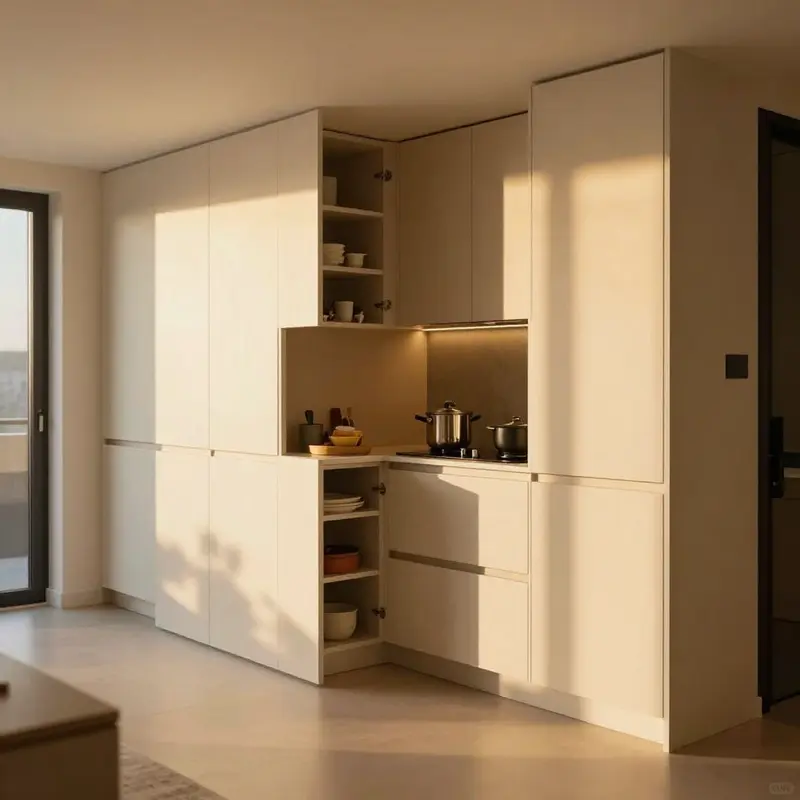
Ideal for studios or very narrow spaces, the single-wall kitchen places all appliances and cabinetry on one wall. This uncomplicated tiny kitchen design simplifies plumbing and electrical work. Creative vertical storage and compact appliances are essential to make this layout work effectively.
2.4. Creative Zones: Beyond Traditional Footprints
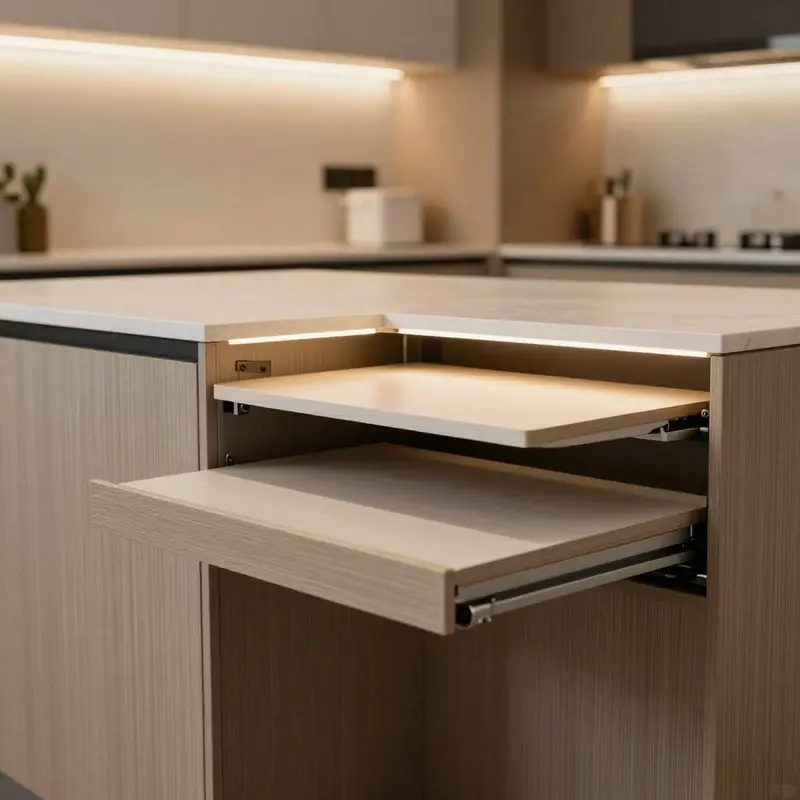
Sometimes, traditional layouts aren’t enough for a truly effective tiny kitchen design. Consider incorporating dynamic elements like pull-out islands, hidden pantries, or multi-functional furniture. Think outside the box to carve out distinct zones for cooking, prep, and even dining.
3. Materializing Your Vision: Smart Selections for Small Kitchens
The materials you choose play a significant role in both the functionality and perceived size of your tiny kitchen design. Light colors, reflective surfaces, and thoughtful textures can make a small space feel much larger. Durability and ease of maintenance are also paramount.
3.1. Cabinetry: The Foundation of Tiny Kitchen Storage
Selecting the right cabinetry is critical for any tiny kitchen design, as it dictates much of the storage capacity. Opt for floor-to-ceiling cabinets, shallow pantry units, and drawers with intelligent organizers. Glass-front cabinets can also create an airy feel, making your tiny kitchen feel larger.
3.2. Countertops: Balancing Durability with Visual Impact
Countertop materials for your tiny kitchen design should be durable, easy to clean, and visually appealing. Light-colored, continuous surfaces can help expand the perception of space. Consider materials like quartz, granite, or solid surface for longevity and a sleek look.
3.3. Flooring and Backsplash: Expanding Perceptions
Consistent flooring throughout adjacent spaces can visually expand a tiny kitchen design. For backsplashes, reflective materials like subway tile or a continuous slab can bounce light around, enhancing the sense of openness. Keep patterns subtle to avoid overwhelming the space.
3.4. Lighting: Illuminating Space, Not Just Surfaces
Effective lighting is paramount in a tiny kitchen design. Layered lighting, including ambient, task, and accent lighting, can dramatically improve both functionality and atmosphere. Under-cabinet lighting and strategically placed fixtures can brighten dark corners and make the space feel more inviting.
4. Executing Your Tiny Kitchen Transformation: From Plan to Perfection
Bringing your tiny kitchen design vision to life requires careful execution and attention to detail. Every decision, from appliance selection to color palettes, contributes to the overall success of the project. Professional guidance can be invaluable during this phase.
4.1. Appliance Selection: Sized for Success
For a tiny kitchen design, compact and multi-functional appliances are non-negotiable. Look for slimline refrigerators, smaller dishwashers, and combination microwave/oven units. Integrated appliances that blend seamlessly with cabinetry can also enhance the streamlined aesthetic, perfect for practical tiny kitchen design.
For inspiration on cutting-edge compact appliances and smart kitchen tech, take a look at resources from brands like Bosch Appliances.
4.2. Strategic Storage Solutions: Every Inch Counts
Maximizing storage in a tiny kitchen design means thinking vertically and creatively. Implement pull-out pantries, corner drawers, pegboards, and magnetic knife strips. Wall-mounted shelves and overhead racks can also free up valuable counter space, enhancing the efficiency of your tiny kitchen design.
Discover clever storage hacks and innovative solutions to optimize your kitchen space. Explore more Kitchen Design Ideas.
4.3. Color Palettes and Finishes: The Illusion of Grandeur
Light and neutral color palettes are your best friends in a tiny kitchen design. Whites, creams, and pale grays reflect light, making the space feel larger and more open. Incorporate pops of color through accessories rather than permanent fixtures for flexibility and visual interest in your tiny kitchen design.
4.4. Professional Partnerships: Designing with Expertise
Engaging an experienced kitchen designer or architect specializing in small spaces can be a game-changer for your tiny kitchen design. Their expertise can help navigate complex layouts, lighting challenges, and material selections. A professional ensures your tiny kitchen design is both beautiful and highly functional.
5. Bringing Your Tiny Kitchen Dream to Life
Transforming a compact cooking area into a functional and stylish space is an achievable goal with the right approach to tiny kitchen design. By focusing on smart layouts, strategic material choices, and clever storage solutions, you can create a kitchen that feels spacious and works efficiently. Embrace the challenge of tiny kitchen design, and soon you’ll be enjoying a beautifully optimized culinary haven. Your ideal tiny kitchen design is within reach, ready to maximize every inch.