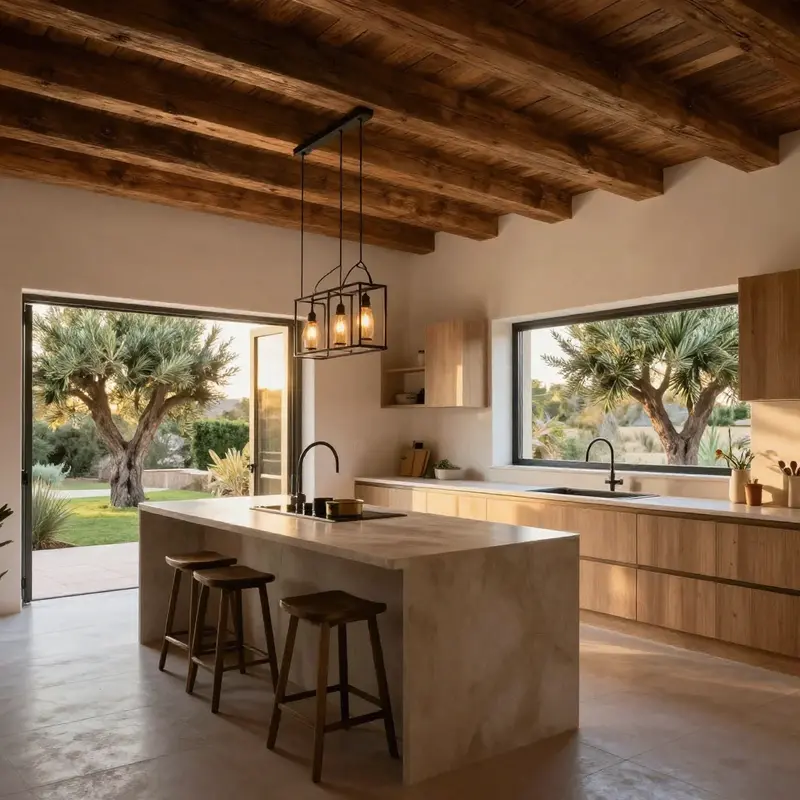

Spanish Kitchen Design: Inspiring Ideas for 2026
Table of Contents
- Introduction to Spanish Kitchen Design
- 1. Embracing the Allure of Spanish Kitchen Design
- 1.1. Defining Your Vision and Budget for a Spanish Kitchen Remodel
- 1.2. Crafting the Perfect Layout: Functionality Meets Spanish Flourish
- 1.3. Key Elements and Materials for Authentic Spanish Kitchens
- 1.4. Cabinetry: The Heart of Spanish Kitchen Storage
- 1.5. Countertops: Durability and Beauty in Spanish Design
- 1.6. Flooring: A Foundation of Spanish Elegance
- 1.7. Backsplashes and Tilework: Artistic Expressions
- 1.8. Fixtures and Lighting: The Gleam of Spanish Style
- 1.9. Designing with Color and Texture: The Spanish Palette
- 1.10. Bringing Your Spanish Kitchen to Life: The Execution Phase
- 1.11. Selecting Your Team of Professionals
- 1.12. Navigating the Remodeling Process
- 2. Timeless Spanish Kitchen Design for Modern Living
- Frequently Asked Questions
Are you dreaming of a kitchen that exudes warmth, character, and timeless beauty? A Spanish kitchen design might be the perfect solution for your home. Transforming your culinary space with a thoughtfully executed Spanish kitchen design brings an unparalleled elegance and functional luxury, defining your home for 2026 and beyond. This guide will walk you through every step of creating a breathtaking Spanish kitchen design.
1. Embracing the Allure of Spanish Kitchen Design
The appeal of Spanish kitchen design lies in its rich history, vibrant aesthetic, and inviting atmosphere. It’s a design philosophy that celebrates craftsmanship, natural materials, and communal living. A well-executed Spanish kitchen design transforms a mere cooking space into the heartwarming hub of your home.
1.1. Defining Your Vision and Budget for a Spanish Kitchen Remodel
Before any hammer swings, solidifying your vision for your Spanish kitchen design is crucial. Consider the specific style of Spanish influence you prefer—from rustic farmhouse to more refined Mediterranean. Establishing a realistic budget is a foundational step in any successful Spanish kitchen design project, ensuring your aspirations align with your financial plan.
1.2. Crafting the Perfect Layout: Functionality Meets Spanish Flourish
A functional layout is paramount for any kitchen, especially when incorporating a specific aesthetic like Spanish kitchen design. Think about workflow, triangle efficiency, and how the space will be used for cooking, entertaining, and daily life. A U-shaped or L-shaped layout often works well, allowing for a central island which is common in a luxurious Spanish kitchen design.
1.3. Key Elements and Materials for Authentic Spanish Kitchens
Authentic Spanish kitchen design relies heavily on specific materials and elements. Think rich wood, wrought iron, terra cotta, and hand-painted tiles. Incorporating these elements will imbue your space with the genuine character of a traditional Spanish kitchen design. These choices define the very essence of a beautiful Spanish kitchen design.
1.4. Cabinetry: The Heart of Spanish Kitchen Storage
In Spanish kitchen design, cabinetry is often robust, made from dark, distressed wood like alder or walnut. Expect intricate details, often with recessed panels or subtly carved accents. Open shelving can also be incorporated, showcasing beautiful dinnerware and adding to the rustic charm of a Spanish kitchen design.
1.5. Countertops: Durability and Beauty in Spanish Design
For Spanish kitchen design countertops, durability is key, often paired with natural beauty. Granite, marble, or soapstone are excellent choices, providing a solid, elegant surface. Concrete or even reclaimed wood can also contribute to a rustic yet sophisticated Spanish kitchen design aesthetic.
1.6. Flooring: A Foundation of Spanish Elegance
Terra cotta tiles are arguably the quintessential flooring choice for a Spanish kitchen design, offering warmth and an earthy appeal. Consider patterned cement tiles for a vibrant, decorative touch, or distressed wood planks for a more rustic feel. The right flooring anchors your entire Spanish kitchen design.
1.7. Backsplashes and Tilework: Artistic Expressions
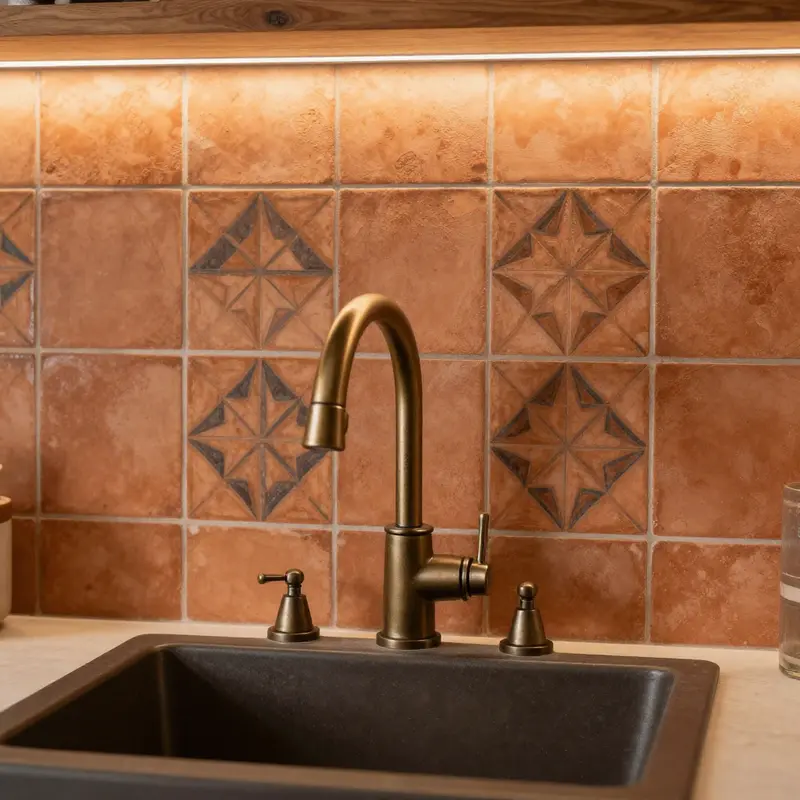
The backsplash is where much of the artistic flair of Spanish kitchen design can shine. Hand-painted Talavera tiles, intricately patterned Iberian tiles, or even simple, richly colored subway tiles can create stunning focal points. These tile installations are hallmarks of a distinctive Spanish kitchen design.
1.8. Fixtures and Lighting: The Gleam of Spanish Style
Wrought iron is a common material for lighting fixtures and hardware in Spanish kitchen design. Chandeliers with scrollwork, wall sconces, and rustic pendant lights contribute to the authentic ambiance. Bronze or copper finishes on faucets and cabinet pulls further enhance the traditional Spanish kitchen design. Proper lighting is essential for both function and accentuating your Spanish kitchen design.
1.9. Designing with Color and Texture: The Spanish Palette
The color palette for Spanish kitchen design often features warm, earthy tones: deep reds, oranges, yellows, and terracotta, complemented by rich browns and even vibrant blues. Textures are vital; think distressed wood, rough plaster walls, and smooth, glazed tiles. This interplay of color and texture creates a truly immersive Spanish kitchen design.
1.10. Bringing Your Spanish Kitchen to Life: The Execution Phase
Successfully executing your Spanish kitchen design requires meticulous planning and coordination. From sourcing materials to managing contractors, each step brings your vision closer to reality. This phase is where your detailed plans for a Spanish kitchen design truly materialize.
1.11. Selecting Your Team of Professionals
Choosing the right professionals—architects, interior designers specializing in Mediterranean or Spanish kitchen design, and contractors—is paramount. Look for those with experience in creating the specific aesthetic you desire. Their expertise will be invaluable in realizing your dream Spanish kitchen design. For more insights into kitchen design, you can Explore more Kitchen Design Ideas.
1.12. Navigating the Remodeling Process
Remodeling can be complex, but open communication with your team and clear expectations can streamline the process. Be prepared for potential unforeseen challenges, common in any significant home renovation. Staying informed during the remodel ensures your Spanish kitchen design progresses smoothly.
2. Timeless Spanish Kitchen Design for Modern Living
A well-executed Spanish kitchen design seamlessly blends traditional charm with modern functionality. Incorporating smart appliances, efficient storage solutions, and ergonomic layouts can create a kitchen that is both beautiful and highly practical for today’s lifestyle. This harmonious blend results in a sophisticated and enduring Spanish kitchen design. For inspiration on modern kitchen functionality within a traditional style, Architectural Digest offers valuable insights into integrating contemporary needs with classic aesthetics, even in a specific Spanish kitchen design context.
Frequently Asked Questions
What distinguishes a Spanish kitchen design from other Mediterranean styles?
Spanish kitchen design emphasizes rustic elements, robust natural materials such as dark wood and wrought iron, and vibrant, hand-painted tiles like Talavera. While sharing some similarities with other Mediterranean styles, Spanish design often features a bolder use of color and more ornate detailing in its craftsmanship, truly defining a unique aesthetic for a Spanish kitchen design.
Are Spanish kitchen designs suitable for smaller homes?
Absolutely. With clever planning and material choices, a Spanish kitchen design can work wonderfully in smaller spaces. Incorporating lighter wood tones, reflective tile backsplashes, and strategic lighting can prevent a smaller space from feeling overwhelmed while still capturing the essence of a beautiful Spanish kitchen design.
What are the most important elements to consider for an authentic Spanish kitchen design?
For an authentic Spanish kitchen design, focus on natural materials like distressed wood cabinetry, terra cotta or patterned tile flooring, and hand-painted tile backsplashes. Wrought iron fixtures, warm color palettes, and robust architectural details are also crucial to achieving a truly genuine and inviting Spanish kitchen design.