

How to Design a Kitchen: Expert Ideas for 2026
Table of Contents
- 1. How to Design a Kitchen That Elevates Your Home
- 1.1. Setting Your Vision: Defining Your Kitchen’s Purpose and Style
- 1.2. Budgeting for Brilliance: Realistic Expectations for Your Kitchen Remodel
- 2. Mastering the Layout: The Foundation of a Functional Kitchen
- 2.1. The Workflow Triangle: Optimizing Efficiency
- 2.2. Considering Kitchen Zones: Prep, Cooking, Storage, and Dining
- 2.3. Popular Kitchen Layouts: A Guide to the Best Fits
- 3. Selecting Materials and Finishes: Crafting Your Kitchen’s Aesthetic
- 3.1. Countertops That Perform: Beyond Just Looks
- 3.2. Cabinetry: The Heart of Kitchen Storage and Style
- 3.3. Flooring: Durability Meets Design
- 3.4. Backsplashes: A Statement of Style
- 4. Integrating Smart Technology and Appliances: Modern Conveniences
- 4.1. Smart Appliances: Efficiency and Innovation
- 4.2. Lighting Design: Function, Ambiance, and Focal Points
- 5. The Execution Phase: Bringing Your Design to Life
- 5.1. Hiring the Right Professionals: Architects, Designers, and Contractors
- 5.2. Project Management: Staying on Track
- 6. Final Touches and Personalization: Making It Uniquely Yours
- 6.1. Accessorizing and Styling: The Details Matter
- FAQ
Embarking on a kitchen design project is more than just a renovation; it’s an investment in your home’s value and your daily lifestyle. A well-designed kitchen becomes the heart of your home, a hub for culinary creativity and social gatherings. This comprehensive guide will show you how to design a kitchen that is both beautiful and highly functional, equipped for 2026 and beyond.
Understanding how to design a kitchen properly can transform your entire living space. Our expert ideas cover everything from luxury kitchen remodels to integrating smart home technology seamlessly. Get ready to create a space where every detail reflects your taste and enhances your everyday living.
1. How to Design a Kitchen That Elevates Your Home
Transforming your kitchen is a significant undertaking that promises immense rewards. Learning how to design a kitchen strategically ensures you create a space that’s both aesthetically pleasing and exceptionally functional. This section initiates the journey, grounding your project in purpose and practical financial planning. This is critical when you how to design a kitchen for lasting appeal.
1.1. Setting Your Vision: Defining Your Kitchen’s Purpose and Style
Before any demolition or purchases, consider what your dream kitchen means to you. Do you envision a bustling family hub, a gourmet chef’s paradise, or a sleek, minimalist space for entertaining? Defining your kitchen’s primary purpose and aesthetic style is the first crucial step when you how to design a kitchen that truly resonates with your needs.
Think about your lifestyle: do you cook often, entertain frequently, or mostly use your kitchen for quick meals and coffee? Your answers will guide decisions on layout, appliances, and finishes. Explore various styles like modern, traditional, industrial, or farmhouse to define your preferred aesthetic. Remember, the goal is to successfully how to design a kitchen that fits perfectly.
1.2. Budgeting for Brilliance: Realistic Expectations for Your Kitchen Remodel
A well-defined budget is paramount when you how to design a kitchen, preventing costly overruns and ensuring a smooth renovation. Research typical costs for materials, labor, and appliances in your area. Allocate funds realistically, considering that unexpected issues can arise.
Break down your budget into categories: cabinetry, countertops, appliances, flooring, lighting, plumbing, and labor. Consider what aspects are non-negotiable versus areas where you might be flexible. A clear budget allows you to make informed decisions and manage your expectations effectively when you how to design a kitchen.
2. Mastering the Layout: The Foundation of a Functional Kitchen
The layout is arguably the most critical element when you how to design a kitchen effectively, dictating its flow and efficiency. A well-planned layout minimizes steps and maximizes productivity within the space. Understanding these principles is key to how to design a kitchen that supports your daily life.
2.1. The Workflow Triangle: Optimizing Efficiency
The classic kitchen workflow triangle connects the three main work areas: the sink, the refrigerator, and the range. Optimizing this triangle is essential for efficient movement and productivity in your kitchen. Each leg of the triangle should ideally be between 4 and 9 feet, and the sum of all three legs should not exceed 26 feet, ensuring easy access to all main appliances. This foundational rule guides how to design a kitchen for seamless cooking experiences.
2.2. Considering Kitchen Zones: Prep, Cooking, Storage, and Dining
Beyond the workflow triangle, modern kitchen design emphasizes creating distinct zones for different activities. Dedicated areas for food preparation, cooking, baking, storage (pantry), and even dining or a coffee station enhance functionality. Planning a kitchen involves allocating space for each zone when you consider how to design a kitchen efficiently.
This approach compartmentalizes tasks, reducing clutter and improving organization. For example, a baking zone might include the oven, a stand mixer, and storage for flour and sugar. Thinking in terms of zones is key to how to design a kitchen that caters to multiple activities simultaneously.
2.3. Popular Kitchen Layouts: A Guide to the Best Fits
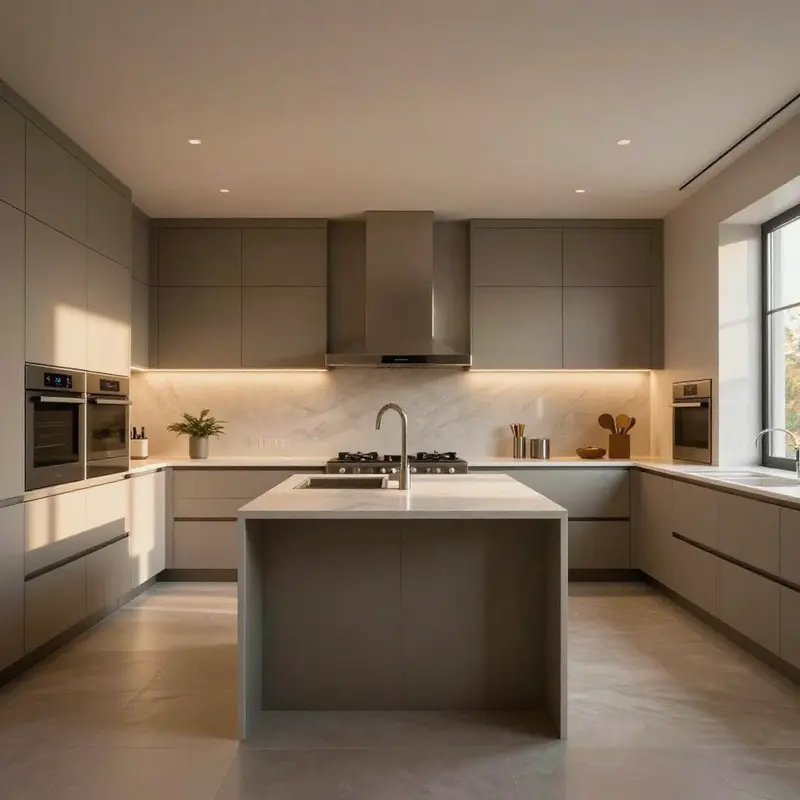
There are several common kitchen layouts, each suited for different space constraints and preferences. The L-shaped kitchen, U-shaped kitchen, galley kitchen, and island kitchen are among the most popular. The straight-line kitchen is ideal for smaller spaces.
Choose a layout that complements your home’s architecture and your family’s needs. For example, an island kitchen offers extra prep space and social seating. Considering these layouts is fundamental to how to design a kitchen that is both aesthetically pleasing and highly practical. Discover more layout ideas to how to design a kitchen successfully. Explore various kitchen layouts to find the perfect fit for your home.
3. Selecting Materials and Finishes: Crafting Your Kitchen’s Aesthetic
The materials and finishes you choose play a crucial role in establishing your kitchen’s aesthetic and durability. From countertops to flooring, every selection contributes to the overall look and feel. Thoughtful material selection is paramount when you how to design a kitchen that truly stands out.
3.1. Countertops That Perform: Beyond Just Looks
Countertops are a major focal point and work surface in any kitchen. Quartz, granite, marble, butcher block, and concrete are popular choices, each offering unique benefits in terms of durability, maintenance, and appearance. Consider your cooking habits and desired aesthetic when making this decision.
For instance, granite and quartz offer excellent durability and heat resistance, while butcher block provides a warm, natural feel. Selecting the right countertop is vital for how to design a kitchen that is both beautiful and practical for everyday use.
3.2. Cabinetry: The Heart of Kitchen Storage and Style
Cabinetry occupies the largest visual space in your kitchen and is vital for storage. Custom cabinets, semi-custom, or stock options offer varying levels of customization and price points. Choose styles that align with your overall design vision, such as shaker, flat-panel, or raised-panel doors.
Consider innovative storage solutions like pull-out shelves, lazy Susans, and drawer organizers to maximize space and efficiency. The right cabinetry is essential for how to design a kitchen that remains organized and clutter-free, reflecting your personal style.
3.3. Flooring: Durability Meets Design
Kitchen flooring needs to be both durable and aesthetically pleasing to withstand spills, foot traffic, and the demands of a busy home. Options include hardwood, tile, luxury vinyl plank (LVP), and laminate. Each material has distinct pros and cons regarding maintenance, comfort, and cost.
Hardwood offers warmth, while porcelain tile is highly durable and water-resistant. Selecting the right flooring is a critical aspect of how to design a kitchen that will last and look beautiful for years to come.
3.4. Backsplashes: A Statement of Style
A backsplash protects walls from spills and splashes, but it also provides an opportunity to add a decorative element. Options range from classic subway tile and natural stone to more contemporary glass and patterned tiles. The backsplash can tie together your kitchen’s color scheme and style.
It’s an excellent way to introduce texture, color, or a focal point. Choosing the right backsplash is an important step when you how to design a kitchen with a polished, cohesive look. You can find more stylish ways to Explore more Kitchen Design Ideas, including backsplash trends.
4. Integrating Smart Technology and Appliances: Modern Conveniences
As technology advances, incorporating smart features and efficient appliances is increasingly becoming a standard when you how to design a kitchen. These innovations enhance convenience, energy efficiency, and overall enjoyment of your culinary space. A modern approach to how to design a kitchen embraces these advancements.
4.1. Smart Appliances: Efficiency and Innovation
Smart appliances offer features like remote control, diagnostic capabilities, and integration with voice assistants. Refrigerators with touch screens, ovens that preheat from your phone, and induction cooktops are examples of how technology can streamline your kitchen experience. These innovations are becoming standard when contemplating how to design a kitchen.
Consider energy-efficient models to reduce utility costs and environmental impact. Investing in smart appliances upgrades your kitchen’s functionality and prepares it for the future. Learning how to design a kitchen with future-proof tech is a smart move.
4.2. Lighting Design: Function, Ambiance, and Focal Points
Effective lighting is crucial in any kitchen, serving both functional and aesthetic purposes. Layered lighting design typically includes ambient (general), task (under-cabinet), and accent lighting (pendants or spotlights). Proper lighting ensures visibility for cooking and creates a welcoming atmosphere.
Dimmable options and smart lighting systems allow for customizable ambiance. Good lighting is an often-underestimated aspect of how to design a kitchen effectively. It directly impacts both usability and mood. Consider how different lighting schemes can enhance your ability to how to design a kitchen that feels both bright and inviting.
5. The Execution Phase: Bringing Your Design to Life
Once the planning and material selection are complete, the execution phase begins. This involves bringing your vision to reality through careful project management and professional help. Navigating this stage successfully is key to how to design a kitchen without excessive stress.
5.1. Hiring the Right Professionals: Architects, Designers, and Contractors
For complex kitchen remodels, enlisting the help of professionals is highly recommended. An architect can help with structural changes, an interior designer can refine your aesthetic, and a reputable contractor will manage the construction process. Vet professionals carefully, checking references and portfolios.
Ensure clear communication and contracts detailing the scope of work and payment schedules. The right team transforms your concept of how to design a kitchen into a tangible masterpiece.
5.2. Project Management: Staying on Track
Even with professionals, active project management on your part is beneficial. Establish a timeline, monitor progress, and be prepared to make timely decisions. Regular check-ins with your team ensure everyone is on the same page.
Anticipate potential delays and have contingency plans. Effective project management is crucial to staying within budget and on schedule when you how to design a kitchen. Staying organized will make the process of how to design a kitchen much smoother.
6. Final Touches and Personalization: Making It Uniquely Yours
The final stage focuses on adding personality and functional details that make your kitchen truly yours. These elements transform a well-designed space into a cherished part of your home. These finishing touches truly complete the process of how to design a kitchen.
6.1. Accessorizing and Styling: The Details Matter
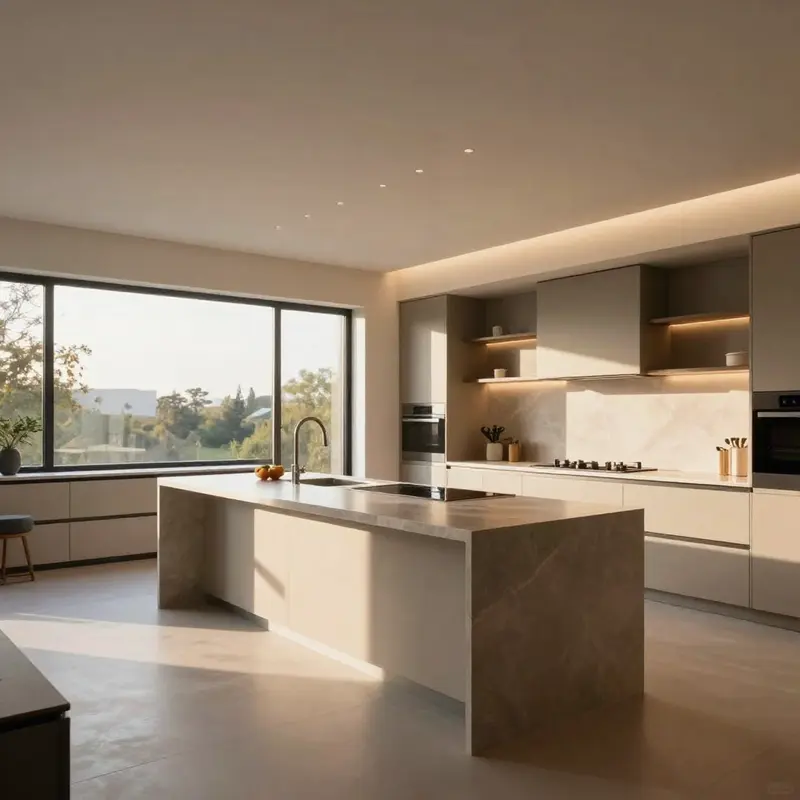
Accessories, such as decorative objects, artwork, plants, and high-quality textiles, add character and warmth to your kitchen. Thoughtfully chosen hardware, such as cabinet pulls and faucet finishes, can elevate the design significantly. Consider open shelving for displaying cherished items or cookbooks.
These personal touches reflect your style and make the kitchen feel inviting and lived-in. When considering how to design a kitchen, remember that the smallest details often make the biggest impact. This step is about refining your vision of how to design a kitchen to perfection.
FAQ
What is the most important factor when considering how to design a kitchen?
How can I make a small kitchen feel larger while still addressing how to design a kitchen?
Is it important to hire a professional when deciding how to design a kitchen?
This article has covered essential insights into how to design a kitchen that is both beautiful and functional. By following these expert tips, you can create a space that maximizes efficiency, reflects your personal style, and becomes the true heart of your home for years to come. Remember, the journey of how to design a kitchen is about crafting a space that complements your life.
From initial vision to the final touches, knowing how to design a kitchen meticulously ensures a successful and rewarding renovation. Embrace these ideas to revolutionize your culinary space. Understanding how to design a kitchen fully empowers you to make informed decisions for a truly stunning outcome.