

Designing a Kitchen Island: Innovative Ideas for 2026
Table of Contents
- Introduction
- The Unsung Hero: Why Your Kitchen Island Matters More Than Ever
- Setting the Stage: Budgeting for Your Dream Kitchen Island
- Mastering the Layout: Innovative Ideas for Designing a Kitchen Island
- Materializing Your Vision: Choosing Finishes for Impact
- Bringing It All Together: The Execution Phase
- Conclusion: Your Kitchen Island, Reimagined
- FAQ
Are you dreaming of a kitchen that truly reflects your lifestyle and culinary aspirations? A well-designed kitchen island stands as the centerpiece of modern luxury kitchen remodels. This guide explores innovative ideas for designing a kitchen island in 2026, transforming your space into a hub of style and functionality. Discover how thoughtful planning and cutting-edge trends can redefine your kitchen experience. The process of designing a kitchen island is an exciting journey.
1. The Unsung Hero: Why Your Kitchen Island Matters More Than Ever
The kitchen island has evolved far beyond a simple countertop for food preparation. Today, it serves as a multifaceted focal point, anchoring the aesthetic and functional flow of your entire kitchen. When designing a kitchen island, consider its role in enriching daily life. It is increasingly becoming the heart of the home, a place for gathering, working, and entertaining.
Modern homes demand versatile spaces, and a thoughtfully designed kitchen island delivers this. It enhances workflow, provides crucial storage, and often becomes the social core of the household. The importance of expertly designing a kitchen island cannot be overstated.
2. Setting the Stage: Budgeting for Your Dream Kitchen Island
Understanding the financial aspects is crucial before embarking on designing a kitchen island. A clear budget ensures your dream island becomes a reality without unexpected surprises. This proactive financial planning helps manage expectations and makes the design process smoother.
Careful budgeting allows for informed decisions regarding materials, appliances, and labor. Effective financial planning is key to successfully designing a kitchen island that meets both your desires and your wallet. It’s an integral part of any luxury kitchen remodel.
2.1. Initial Cost Projections: What to Expect
The cost of designing a kitchen island can vary widely depending on size, materials, and integrated features. Expect expenditures for cabinetry, countertops, plumbing, electrical work, and installation. High-end finishes and built-in appliances will naturally increase the overall investment when designing a kitchen island. Researching local contractor rates is also advisable.
For a luxury kitchen remodel, anticipate costs that reflect intricate design and quality craftsmanship. Obtain detailed quotes from multiple professionals for accurate projections. This transparency is essential for designing a kitchen island within budget.
2.2. Smart Savings: Where to Splurge and Where to Save
Strategic splurging on high-impact elements like a premium countertop or smart appliances can elevate your island. Consider saving on less visible components, such as internal cabinetry finishes, while still ensuring durability. When designing a kitchen island, prioritize features that offer the most daily value. For instance, investing in a durable, easy-to-clean countertop is often a wise choice.
Opt for standard sizes where possible to reduce custom fabrication costs. Bulk purchasing materials or choosing an off-peak season for renovation can also lead to savings. You can be smart about designing a kitchen island without compromising on quality.
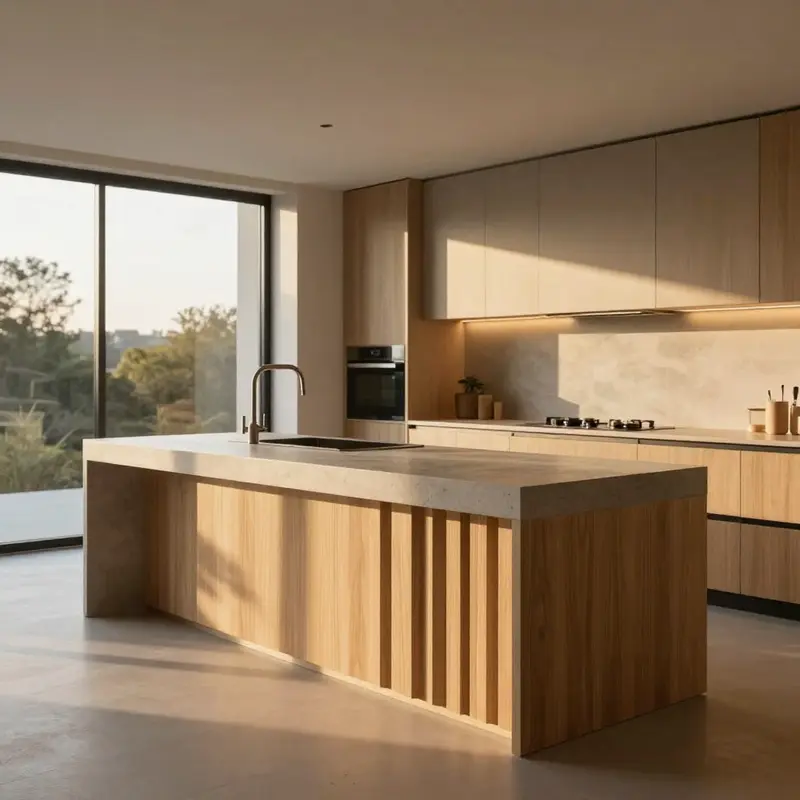
3. Mastering the Layout: Innovative Ideas for Designing a Kitchen Island
The layout is fundamental when designing a kitchen island, dictating its flow and effectiveness. Innovative layouts optimize space and enhance the kitchen’s overall functionality. Thoughtful planning for your kitchen island design ensures maximum usability.
Consider how different island shapes and zones can improve your daily routine. A well-conceived layout is essential for designing a kitchen island that truly complements your home. This vital step impacts everything from cooking efficiency to social interaction.
3.1. Beyond the Rectangle: Exploring Shape and Size
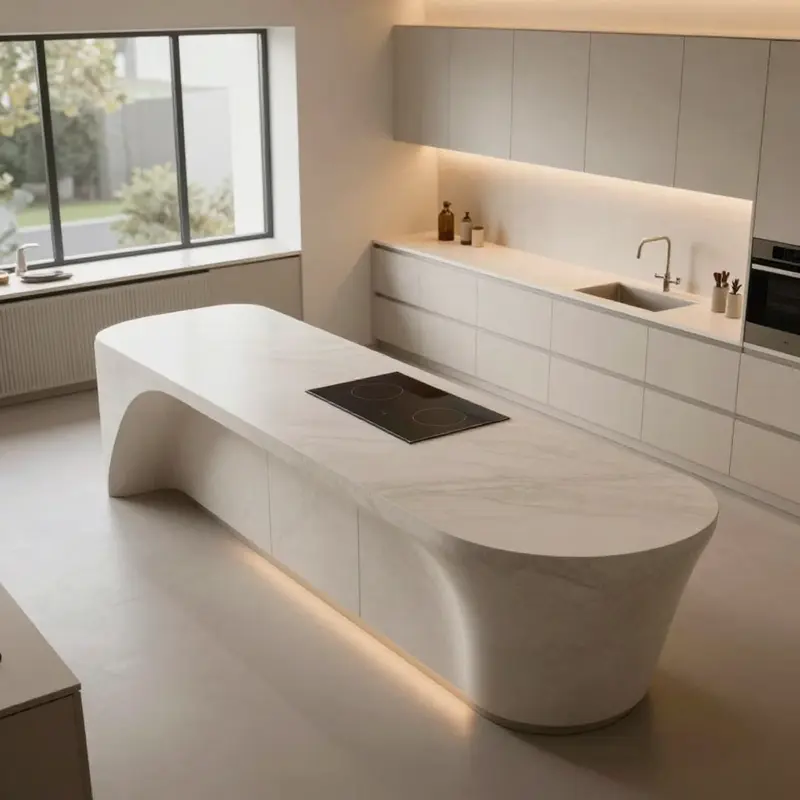
Move beyond traditional rectangular islands to explore U-shaped, L-shaped, or even circular designs. These innovative forms can create more dynamic traffic flows and unique aesthetic statements. The ideal shape and size depend on your kitchen’s dimensions and desired functionality, a key consideration for designing a kitchen island. Often, a custom kitchen island truly transforms a space.
Large kitchens can accommodate grand, multi-tiered islands, while smaller spaces may benefit from compact, movable designs. Carefully measure and plan to ensure adequate clearance around your island. This ensures ergonomic comfort when designing a kitchen island.
3.2. Function First: Integrating Appliances and Storage
Integrate essential appliances like dishwashers, microwave drawers, or even a mini-fridge for ultimate convenience. Smart storage solutions, including pull-out pantries, deep drawers, and hidden waste bins, keep your kitchen organized. Prioritizing function is paramount when designing a kitchen island. For more kitchen design ideas, Explore more Kitchen Design Ideas.
Consider dedicated zones for specific tasks, such as a baking station with integrated mixers or a coffee bar. Planning these features early optimizes utility and efficiency. This functional approach to designing a kitchen island saves time and effort daily.
3.3. The Entertainment Hub: Seating Solutions and Social Zones
Transform your island into a vibrant entertainment hub with comfortable seating. Consider breakfast bars, raised counter seating, or even integrated banquettes. Ample seating encourages guests to gather and socialize while you prepare meals. This makes designing a kitchen island a central element for entertaining.
Ensure sufficient overhang for comfortable legroom and choose durable, stylish stools or chairs. Integrate charging stations or discreet speakers for an enhanced social experience. A well-designed social zone turns designing a kitchen island into an art form.
3.4. Zoning for Success: Prep, Cook, Serve, Dine
Efficient kitchen islands incorporate distinct zones for various activities. Designate separate areas for washing and prepping ingredients, a cooking zone with a hob or grill, and a serving area. This thoughtful zoning streamlines culinary tasks, which is vital when designing a kitchen island. This concept is a cornerstone of smart kitchen design.
Clear pathways between these zones ensure a smooth workflow and prevent bottlenecks. Consider the “kitchen triangle” principle to optimize accessibility between the sink, refrigerator, and cooking range. The meticulous process of designing a kitchen island accounts for every detail.
4. Materializing Your Vision: Choosing Finishes for Impact
The choice of finishes significantly impacts the aesthetic and durability of your kitchen island. Selecting the right materials transforms a functional piece into a striking design statement. This step is crucial for successfully designing a kitchen island, bringing your vision to life. High-end kitchen materials are often desired for a luxury kitchen remodel.
From luxurious countertops to bespoke cabinetry, each material contributes to the island’s overall character. Consider how different textures and colors interact to create a cohesive look. Thoughtful material selection is key when designing a kitchen island for lasting appeal.
4.1. Countertops That Command Attention
Elevate your island with a stunning countertop material that combines beauty and resilience. Options range from classic marble and granite to modern quartz, porcelain, and even butcher block. Each material offers unique visual and practical benefits, important when designing a kitchen island. Consider the maintenance requirements for each option.
Explore striking patterns, bold colors, or unique edge profiles to make a statement. Consider durability and heat resistance, especially for areas used for cooking or hot dishes. The chosen countertop is a defining feature when designing a kitchen island. For inspiration on materials, check out resources like Houzz kitchen island countertop ideas for diverse examples.
4.2. Cabinetry and Paneling: A Symphony of Style
The cabinetry and paneling define the island’s style, from sleek minimalist to elaborate traditional. Choose finishes that complement your existing kitchen decor or create a striking contrast. Whether painted, stained, or natural wood, the quality of craftsmanship matters when designing a kitchen island. Custom cabinet options allow for personalized organization.
Consider innovative paneling techniques, such as fluted designs, slatted wood, or even integrated fluted glass, for added texture. These elements contribute significantly to the island’s bespoke feel. The careful selection of cabinetry completes the aesthetic when designing a kitchen island.
4.3. Lighting the Way: Practicality Meets Ambiance
Strategic lighting enhances both the functionality and atmosphere of your kitchen island. Task lighting, such as pendant lights, provides illumination for food prep and reading. Ambient lighting softens the space, setting a welcoming mood. Both types are vital when designing a kitchen island.
Incorporate under-cabinet LED strips for a subtle glow or dimmable fixtures for versatile control. Smart lighting systems can adjust brightness and color temperature with ease. Thoughtful lighting enhances the brilliance of designing a kitchen island, day and night.
4.4. Unexpected Details: Hardware, Accents, and Smart Tech
The smallest details can make the biggest impact when designing a kitchen island. Select hardware that reflects your style, from sleek matte black pulls to antique brass knobs. Incorporate decorative accents like integrated planters or display shelves. These innovative kitchen features elevate the overall design.
Consider integrating smart technology, such as hidden charging ports, voice-activated controls, or built-in tablet holders. These thoughtful additions enhance convenience and modernity. These subtle elements complete the innovative process of designing a kitchen island.
5. Bringing It All Together: The Execution Phase
Once the design is finalized, the execution phase transforms plans into reality. This stage involves coordination, professional installation, and meticulous attention to detail. A smooth execution ensures your vision for designing a kitchen island comes to fruition. It’s a critical part of any kitchen renovation budget.
Partnering with experienced professionals streamlines the process and ensures high-quality results. Proper oversight during installation is key to avoiding costly errors. Success in designing a kitchen island depends heavily on this stage.
5.1. Selecting Your Team: Architects, Designers, and Contractors
Assemble a skilled team that understands your vision for designing a kitchen island. An architect can assist with structural changes, while an interior designer ensures aesthetic cohesion. A reputable contractor is essential for overseeing the construction and installation, bringing expertise to your luxury kitchen remodel.
Seek recommendations, review portfolios, and check references to find professionals who align with your style and budget. Clear communication with your team is paramount for a successful project. A strong team is a cornerstone for effectively designing a kitchen island.
5.2. Navigating the Remodel: A Seamless Transition
Prepare for the remodeling process by setting up a temporary kitchen and managing expectations for timelines. Regular site visits and open communication with your contractor will help address issues promptly. Minimize disruptions by understanding each phase of construction when designing a kitchen island. Efficient kitchen layout planning is crucial at this stage.
Remain flexible, as unexpected challenges can arise, but maintain your focus on the end goal. A well-managed renovation paves the way for a stunning outcome. This methodical approach is vital when designing a kitchen island and during its installation.
5.3. The Grand Reveal: Enjoying Your Bespoke Island
The moment of unveiling your newly designed kitchen island is incredibly rewarding. Take the time to appreciate the craftsmanship and functionality you’ve invested in. Your bespoke island is now ready to be the heart of your home, a testament to thoughtful planning. This marks the culmination of designing a kitchen island. Enjoy the benefits of your custom kitchen island.
Savor the experience of cooking, entertaining, and simply enjoying your beautifully crafted space. Your innovative kitchen island will serve as a cherished focal point for years to come. This final step truly celebrates the art of designing a kitchen island to perfection.
Conclusion: Your Kitchen Island, Reimagined
Embracing innovative ideas when designing a kitchen island can transform your kitchen into a highly functional and aesthetically pleasing masterpiece. From selecting the perfect shape and integrating smart appliances to choosing luxurious finishes and assembling a skilled team, every decision contributes to a personalized space. A carefully considered custom kitchen island increases both beauty and utility.
By focusing on budgeting, layout, materials, and execution, you can create a kitchen island that not only meets but exceeds your expectations for 2026 and beyond. Your reimagined kitchen island will undoubtedly become the vibrant heart of your luxury kitchen remodel. The journey of designing a kitchen island is an investment in your home’s future.