
Commercial Kitchen Design: Ideas & Inspiration for 2026
Table of Contents
- Introduction
- 1. The Foundation: Budgeting for Your Commercial Kitchen Design
- 2. Mastering the Flow: Optimal Layouts for Commercial Kitchen Design
- 3. Material Matters: Selecting Durability and Aesthetics for Your Commercial Kitchen
- 4. Bringing it to Life: The Execution Phase of Your Commercial Kitchen Remodel
- 5. Future-Proofing Your Commercial Kitchen Design
- Frequently Asked Questions
Transforming your commercial kitchen space into an efficient and aesthetically pleasing environment is crucial for success in the competitive food service industry. In 2026, a well-executed commercial kitchen design not only enhances operational flow but also contributes significantly to your bottom line. We’ll explore innovative ideas and expert tips to guide your next commercial kitchen design or remodel, ensuring maximum efficiency, compliance, and return on investment.
1. The Foundation: Budgeting for Your Commercial Kitchen Design
A sound financial plan is the cornerstone of any successful commercial kitchen design project. Understanding where your money goes and planning for contingencies will prevent costly surprises.
1.1. Understanding Initial Costs vs. Long-Term Value
While some immediate costs might seem high, investing in quality equipment and a thoughtful commercial kitchen design can yield significant long-term savings. Consider energy-efficient appliances and durable materials that reduce maintenance and replacement expenses over time. A smart upfront investment in your commercial kitchen design will pay dividends.
1.2. Contingency Planning: The Golden Rule of Remodeling
Unexpected issues are common in any remodeling project. Always allocate a contingency fund, typically 10-20% of your total budget, for your commercial kitchen design. This ensures you can address unforeseen challenges without derailing your project or compromising quality.
2. Mastering the Flow: Optimal Layouts for Commercial Kitchen Design
An efficient layout is paramount for a productive workforce and seamless operations. Thoughtful planning of your commercial kitchen design maximizes space and minimizes wasted motion.
2.1. Ergonomics and Workflow Zones: Key to Efficiency
Organize your commercial kitchen design into distinct zones: receiving, storage, preparation, cooking, plating, and dishwashing. This reduces cross-traffic and improves efficiency. Ergonomic considerations, such as appropriate counter heights, are vital for staff comfort and safety in your commercial kitchen design.
2.2. Ventilation and Exhaust: A Critical Design Element
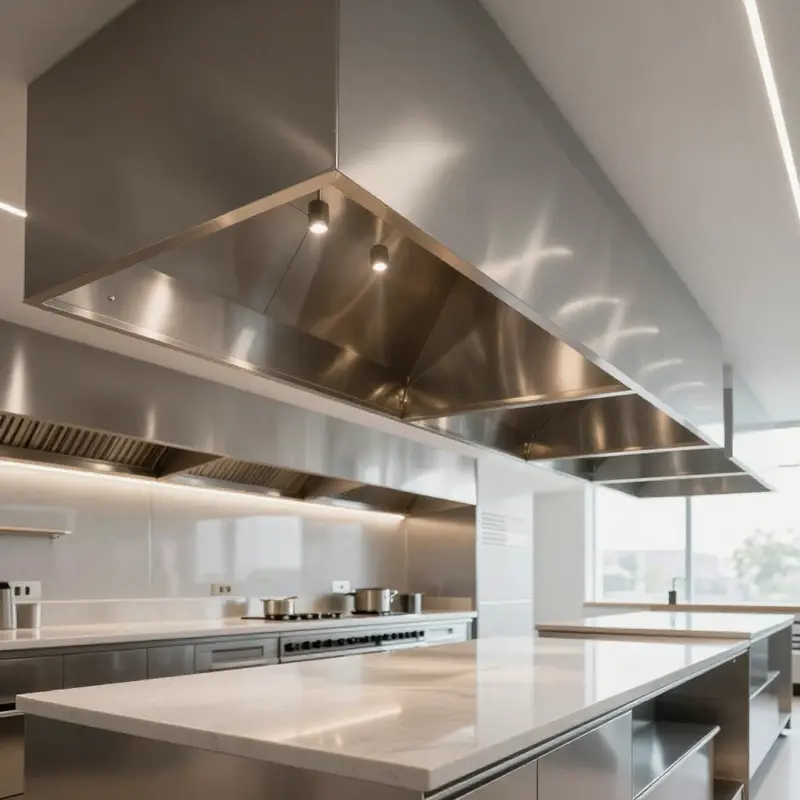
Proper ventilation is non-negotiable for a healthy and safe commercial kitchen. An effective hood and exhaust system remove heat, smoke, and odors, complying with health regulations. This essential aspect of commercial kitchen design protects both staff and customers.
2.3. Integrating Smart Technology for a Modern Kitchen
Embrace smart technology in your commercial kitchen design for enhanced control and automation. Smart ovens, IoT-connected refrigerators, and automated inventory systems streamline operations and reduce human error. These innovations are reshaping modern commercial kitchen design practices.
3. Material Matters: Selecting Durability and Aesthetics for Your Commercial Kitchen
The materials chosen for your commercial kitchen design must balance durability, hygiene, and visual appeal. High-traffic commercial environments demand robust solutions.
3.1. Surfaces That Withstand the Test of Time
Stainless steel remains a top choice for countertops and backsplashes due to its hygiene, durability, and ease of cleaning. For flooring, consider slip-resistant and seamless options like epoxy or quarry tile in your commercial kitchen design. Explore more Kitchen Design Trends for material inspiration.
3.2. Lighting: Beyond Illumination – Setting the Mood and Enhancing Safety
Effective lighting is crucial for both functionality and ambiance in your commercial kitchen design. Combine bright task lighting over workstations with ambient lighting in other areas. Proper illumination enhances safety and allows for precise food preparation. Explore more Kitchen Design Ideas for creative lighting solutions.
3.3. Storage Solutions: Maximizing Space and Organization
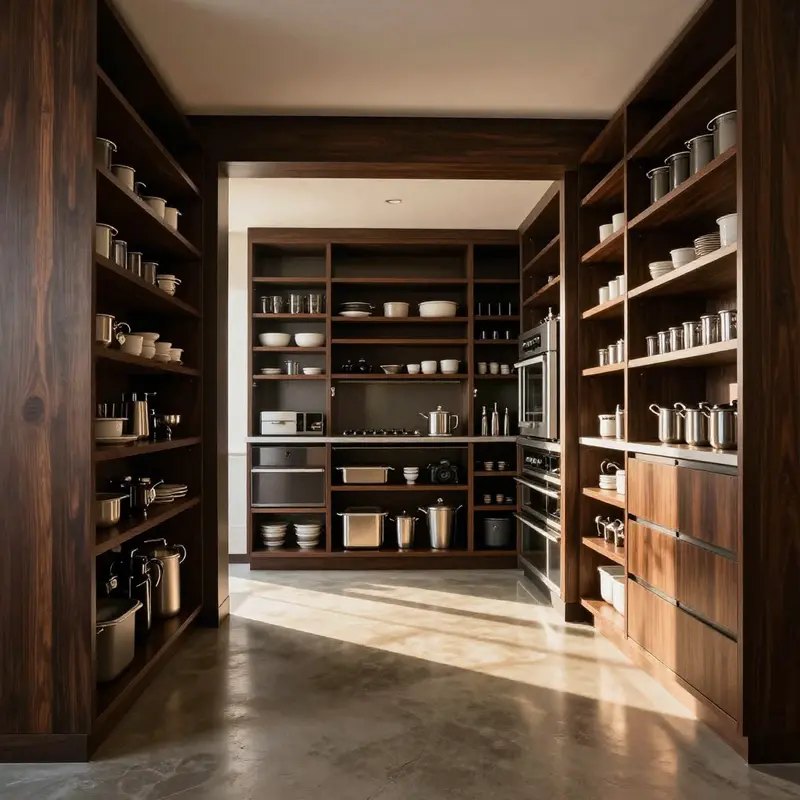
Optimize every inch of your commercial kitchen design with smart storage. Utilize vertical space with shelving and racks, and consider mobile units for flexibility. Organized storage not only improves efficiency but also maintains health code compliance.
4. Bringing it to Life: The Execution Phase of Your Commercial Kitchen Remodel
The execution phase transforms your design concepts into a functional reality. Careful planning and professional partnerships are key to a smooth process for your commercial kitchen design.
4.1. Choosing the Right Professionals
Collaborate with experienced architects, kitchen designers, and contractors specializing in commercial spaces. Their expertise in commercial kitchen design regulations and best practices is invaluable. Vetting references and reviewing portfolios are essential steps.
4.2. Permits and Regulations: Navigating the Legal Landscape
Before any construction begins, obtain all necessary permits and ensure your commercial kitchen design complies with local health codes, fire safety regulations, and building ordinances. Ignoring these can lead to significant delays and penalties.
4.3. Timeline Management and Minimizing Downtime
Develop a realistic project timeline with your contractors, factoring in equipment delivery and installation. Strategize to minimize operational downtime, perhaps by phase-remodeling or utilizing temporary facilities, to reduce impact on your business during your commercial kitchen design project.
5. Future-Proofing Your Commercial Kitchen Design
A forward-thinking commercial kitchen design anticipates future needs and trends, ensuring longevity and adaptability. Plan for innovation and sustainability.
5.1. Sustainability and Energy Efficiency
Incorporate energy-efficient appliances, water-saving fixtures, and sustainable building materials into your commercial kitchen design. This reduces utility costs and appeals to environmentally conscious consumers. Many jurisdictions offer incentives for green commercial kitchens.
5.2. Flexibility and Adaptability for Evolving Menus
Design your kitchen with adaptability in mind. Modular equipment, mobile workstations, and flexible plumbing/electrical infrastructure allow for future menu changes or expansion without major overhauls. This foresight in your commercial kitchen design will save you time and money.