


Table of Contents
- Intro: A Taste of Tradition with Grandma’s Baked Beans
- Why This Recipe Works: The Perfect Baked Bean Experience
- Ingredients and Smart Substitutions: Understanding Each Component
- Step-by-Step Instructions: Baking Grandma’s Old Fashioned Beans
- Expert Tips for Success: Master Your Baked Beans
- What to Serve With Grandma’s Baked Beans
- Storing and Reheating Your Baked Beans
- Frequently Asked Questions (FAQ)
Intro: A Taste of Tradition with Grandma’s Baked Beans
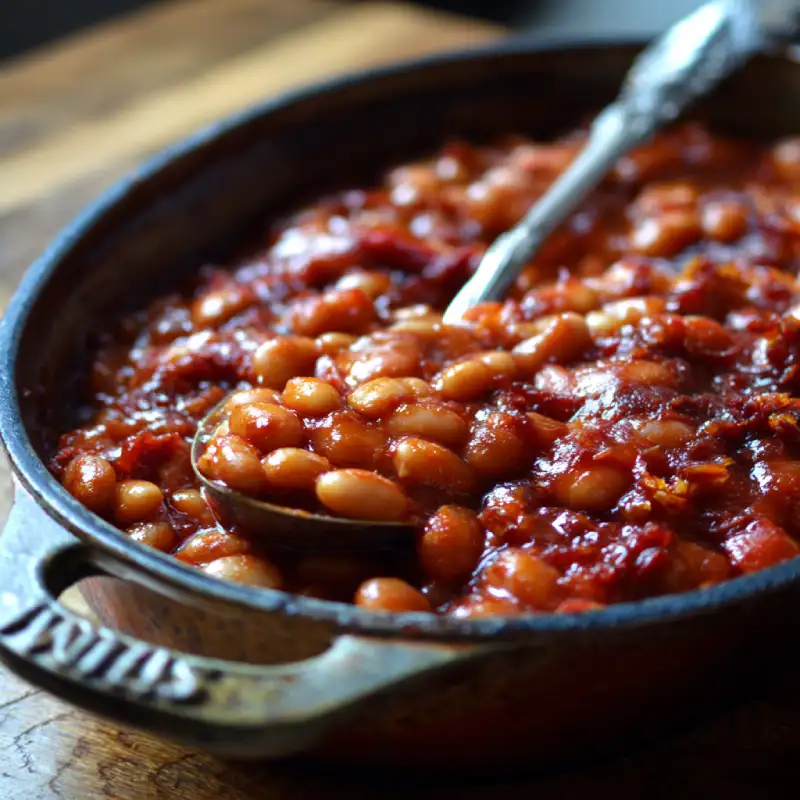
There are some dishes that just transport you back to childhood, to family gatherings filled with laughter and the comforting aroma of a well-loved kitchen. For me, that dish is hands-down grandma’s old fashioned baked beans. The moment that first spoonful hits your palate, you’re greeted with an explosion of rich, smoky, sweet, and tangy flavors, all culminating in beans that are incredibly tender, yet hold their shape perfectly. They’re not just a side dish; they’re a centerpiece, a conversation starter, and a warm hug in a bowl. See more easy recipes and you’ll find that truly classic dishes like this are always worth the effort.
Why Grandma’s Recipe is the Best
Grandma had a knack for taking simple ingredients and transforming them into something extraordinary. Her baked beans aren’t drowned in sickly sweet sauce; instead, they boast a complex symphony of flavors that evolve with every slow, deliberate bake. It’s the kind of recipe that has been passed down through generations for a reason – because it consistently delivers perfection.
My Personal Connection: A Family Favorite
Growing up, a barbecue or holiday spread wasn’t complete without Grandma’s enormous pot of baked beans bubbling away in the oven. The anticipation of that first scoop, revealing the sticky, caramelized edges and the dark, glistening beans, was almost unbearable. They were always the first thing to disappear and the most requested dish, a testament to their enduring appeal and unforgettable taste. This recipe isn’t just food; it’s a piece of my family’s history, and I’m thrilled to share it with you.
Why This Recipe Works: The Perfect Baked Bean Experience
- Deep, Complex Flavor Profile: The magic lies in the slow baking process, allowing the molasses, brown sugar, bacon, and spices to meld and deepen over hours, creating an unparalleled richness that canned beans simply can’t replicate.
- Tender, Not Mushy Beans: We start with dried beans and pre-soak them, then simmer them just right. This careful preparation ensures they become wonderfully tender without turning into a watery mush, maintaining their delightful texture.
- Sticky, Caramelized Glaze: The final uncover bake creates that enviable sticky, caramelized crust on top, adding a textural contrast and an extra layer of sweet-savory perfection that’s utterly irresistible.
- Perfectly Balanced Sweet and Savory: This recipe masterfully balances the sweetness of molasses and brown sugar with the savory depth of bacon, the tang of mustard and vinegar, and the aromatic warmth of onion. It’s a harmonious blend that keeps you coming back for more.
Ingredients and Smart Substitutions: Understanding Each Component
Here is what you need and why:
Dried Navy Beans: The Foundation: These small, mild beans are traditional for a reason. Their creamy texture and ability to absorb flavor make them ideal. You can substitute great northern or cannellini beans, but navy beans offer the most authentic experience for grandma’s old fashioned baked beans. Avoiding canned beans is crucial for the best texture and control over sodium.
Molasses (Dark vs. Light): The Sweet Heart: Dark molasses provides a deep, robust, almost smoky sweetness that is essential. Light molasses is sweeter and less intense, while blackstrap molasses can be too bitter for most baked bean recipes. Stick to dark for that classic, rich flavor.
Brown Sugar: For Depth and Caramelization: Along with molasses, brown sugar adds another layer of sweetness and, crucially, aids in the caramelization process during baking, contributing to that irresistible sticky glaze. Light or dark brown sugar will work; dark brown sugar will intensify the richness.
Bacon or Salt Pork: Flavor Powerhouse: This is where much of the savory, smoky depth comes from. Thick-cut bacon renders beautifully and infuses the beans with its fat and flavor. Salt pork is an even more traditional choice, offering a similar salty, fatty richness. If you can’t find salt pork, excellent quality thick-cut bacon is a fantastic substitute.
Onion: Aromatic Base: A finely diced yellow or white onion provides the essential aromatic foundation, mellowing and sweetening as it cooks slowly with the beans.
Mustard (Dry vs. Prepared): The Secret Tang: Dry ground mustard (like Colman’s) offers a sharp, clean tang without adding much liquid. Prepared Dijon or yellow mustard can work in a pinch but start with a smaller amount as their liquid content and acidity vary. The mustard is key to balancing the sweetness and adding complexity.
Vinegar: Brightness and Balance: Apple cider vinegar is preferred here for its fruity acidity, which cuts through the richness and sweetness, brightening the overall flavor profile. White vinegar works too but is less nuanced, while balsamic would be too strong.
Salt and Pepper: Essential Seasoning: Coarse kosher salt and freshly ground black pepper are fundamental for seasoning and bringing all the flavors into harmony. Taste and adjust as you go.
Water or Broth: Cooking Liquid Choices: Water is perfectly fine, as the beans will create their own flavorful liquid with the other ingredients. However, using a low-sodium chicken or vegetable broth can add an extra layer of savory depth.
Step-by-Step Instructions: Baking Grandma’s Old Fashioned Beans
Follow these step-by-step photos:
1. Pre-Soaking the Beans: An Overnight Essential
Thoroughly rinse the dried navy beans under cold running water, picking out any small stones or debris. Place the rinsed beans in a large bowl and cover with cold water by at least 3 inches, as they will expand significantly. Let them soak overnight (8-12 hours) at room temperature. Alternatively, for a quick soak method, boil beans for 5 minutes, remove from heat, cover, and let stand for 1 hour. Drain and rinse the soaked beans well before proceeding.
2. Initial Simmer: Softening the Beans
Transfer the drained, soaked beans to a large heavy-bottomed pot or Dutch oven. Cover the beans with fresh cold water (or broth) by about 1 inch. Bring to a boil, then reduce heat to a gentle simmer. Cook for 45-60 minutes, or until the beans are tender but still firm, not mushy. They should hold their shape but yield easily when pressed. Drain the beans, reserving about 1 cup of the cooking liquid.
3. Preparing the Bacon and Aromatics
While the beans are simmering, in a large skillet, cook the diced bacon or salt pork over medium heat until crispy. Remove the cooked bacon/salt pork with a slotted spoon and set aside, reserving about 2-3 tablespoons of the rendered fat in the skillet. Add the finely diced onion to the skillet with the rendered fat and cook over medium heat until softened and translucent, about 5-7 minutes. Do not brown.
4. Mixing the Sauce: The Flavor Blend
In a medium bowl, whisk together the dark molasses, brown sugar, dry mustard, apple cider vinegar, salt, and black pepper. Stir until the sugar is mostly dissolved and the mixture is well combined. This is your luscious, sweet-and-savory sauce base.
5. Combining and Transferring to a Baking Dish
Preheat your oven to 300°F (150°C). In a large oven-safe Dutch oven or a deep baking dish (at least 3-quart capacity), combine the simmered beans, cooked onion from the skillet, and the reserved crispy bacon/salt pork (saving a little for garnish if desired). Pour the molasses-mustard sauce over the bean mixture and stir gently to combine everything thoroughly. Add enough of the reserved bean cooking liquid (or fresh hot water/broth) to just cover the beans. They should be submerged but not swimming.
6. Slow Baking: The Key to Deep Flavor
Cover the baking dish tightly with a lid or aluminum foil. Bake for 3-4 hours, stirring gently every hour to ensure even cooking and to prevent sticking. The beans should be very tender and the sauce should have thickened considerably. For a truly authentic taste, consider taking advice from expert culinarians like those at Food Network, who often emphasize slow cooking for deep flavor development.
7. Uncovered Finish: Achieving the Perfect Glaze
After 3-4 hours of covered baking, remove the lid or foil. Continue to bake for another 30-60 minutes, or until the top of the beans is beautifully caramelized, sticky, and glossy, and the sauce has reached your desired consistency. If the beans seem too dry during this stage, you can add a splash of hot water. Remove from the oven and let rest for at least 15-20 minutes before serving. This allows the flavors to truly meld and the sauce to set.
Expert Tips for Success: Master Your Baked Beans
- Don’t Skip the Soak: Soaking dried beans is crucial for even cooking, reducing cooking time, and making them more digestible.
- Adjust Sweetness to Taste: Some prefer their baked beans sweeter, others less so. Taste your sauce before adding it to the beans and adjust the brown sugar and molasses to your preference. Remember, the flavors will deepen as they bake.
- Monitor Liquid Levels During Baking: A truly great batch of grandma’s old fashioned baked beans shouldn’t be dry, nor should it be soupy. Check periodically and add hot water or broth if the mixture seems too thick, especially during the covered baking stage.
- Prevent Dryness: Add Hot Water if Needed: Always add hot water if you need to thin out the sauce during baking. Adding cold water can shock the beans and affect their texture.
- Use a Heavy-Bottomed Pot: A Dutch oven or heavy oven-safe casserole dish distributes heat evenly, preventing scorching and ensuring a consistent, slow bake.
- Let Them Rest Before Serving: Like many slow-cooked dishes, baked beans benefit greatly from a resting period. This allows the flavors to deepen and the sauce to thicken slightly, resulting in a more cohesive and delicious dish.
What to Serve With Grandma’s Baked Beans
Classic BBQ Pairings
Grandma’s old fashioned baked beans are the quintessential BBQ side dish. They pair perfectly with grilled ribs, pulled pork, brisket, hot dogs, and hamburgers. The smoky, sweet flavors complement rich meats beautifully.
Holiday Feast Essentials
Don’t relegate these beans only to summer! They are a fantastic addition to any holiday table, from Thanksgiving to Christmas. Their hearty, comforting nature makes them a welcome dish alongside roasted ham, turkey, or even a festive pot roast.
Simple Weeknight Meals
While they take some time to prepare, these beans can elevate a simple weeknight meal. Serve them with cornbread, a fresh green salad, or as a hearty side to leftover grilled chicken for a satisfying and easy dinner.
Storing and Reheating Your Baked Beans
Refrigeration Guidelines
Allow cooled baked beans to store in an airtight container in the refrigerator for up to 4-5 days. The flavors often deepen and improve overnight!
Freezing for Later
Baked beans freeze exceptionally well. Transfer cooled beans to freezer-safe containers or heavy-duty freezer bags, leaving about an inch of headspace. They can be frozen for up to 3 months. Thaw overnight in the refrigerator before reheating.
Best Reheating Methods
Stovetop: Transfer beans to a saucepan over medium-low heat, stirring occasionally, until heated through. Add a splash of water or broth if consistency is too thick. Oven: Place beans in an oven-safe dish, cover with foil, and bake at 300°F (150°C) for 20-30 minutes, or until hot. Microwave: For individual servings, heat in a microwave-safe bowl, stirring every minute, until warm.
Frequently Asked Questions (FAQ)
Can I use canned beans?
Why are my baked beans too watery?
How to fix overly sweet or salty beans?
Can I make these in a slow cooker?
What’s the best type of molasses to use?
Grandma’s Old Fashioned Baked Beans
- Total Time: 27 minute
- Yield: 10-12 servings
Description
Authentic and utterly delicious, these old-fashioned baked beans feature a slow-simmered, rich sauce with tender navy beans, smoky bacon, and a perfect balance of sweet and savory. A true family favorite from scratch.
Ingredients
- 1 lb (approx. 2 cups) dried navy beans
- 6 slices thick-cut bacon or 4 oz salt pork, diced
- 1 large yellow onion, finely diced
- 1/2 cup dark molasses
- 1/2 cup packed light brown sugar
- 2 tbsp dry ground mustard
- 2 tbsp apple cider vinegar
- 1 tsp salt (or to taste)
- 1/2 tsp black pepper (or to taste)
- 4–5 cups hot water or low-sodium broth, plus more as needed
Instructions
- Soak Beans: Rinse beans, cover with 3 inches of cold water, and soak overnight (8-12 hours). Drain and rinse thoroughly.
- Simmer Beans: Place soaked beans in a large pot, cover with fresh water by 1 inch. Bring to a boil, then simmer for 45-60 minutes until tender but firm. Drain, reserving 1 cup of liquid.
- Cook Bacon & Onion: In a skillet, cook diced bacon/salt pork until crispy. Remove bacon, leaving 2-3 tbsp fat. Sauté onion in fat until translucent (5-7 mins).
- Make Sauce: In a bowl, whisk molasses, brown sugar, dry mustard, apple cider vinegar, salt, and pepper.
- Combine & Bake (Covered): Preheat oven to 300°F (150°C). In a Dutch oven or baking dish, combine beans, onion, bacon, and sauce. Add enough reserved liquid/hot water to just cover beans. Cover tightly.
- Slow Bake: Bake for 3-4 hours, stirring hourly, until beans are very tender and sauce thickens.
- Uncovered Finish: Remove lid. Bake for another 30-60 minutes until top is caramelized and sticky. Let rest 15-20 min before serving.
- Prep Time: 15 mins (+ overnight soak)
- Cook Time: 4-5 hours