


Table of Contents
- Introduction: Elevating Your Pasta Game to Culinary Artistry
- How This Recipe Works: Mastering Foie Gras and Carbonara Harmony
- Ingredients and Substitutions: The Foundation of Flavor
- Step-by-Step Instructions: Your Visual Walkthrough to Perfection
- Expert Tips for Success: Crucial Details You Can’t Miss
- What to Serve With Your Foie Gras Carbonara
- Storing and Reheating: Enjoying Leftovers (If Any!)
- Frequently Asked Questions About Foie Gras and Carbonara Pasta
Introduction: Elevating Your Pasta Game to Culinary Artistry
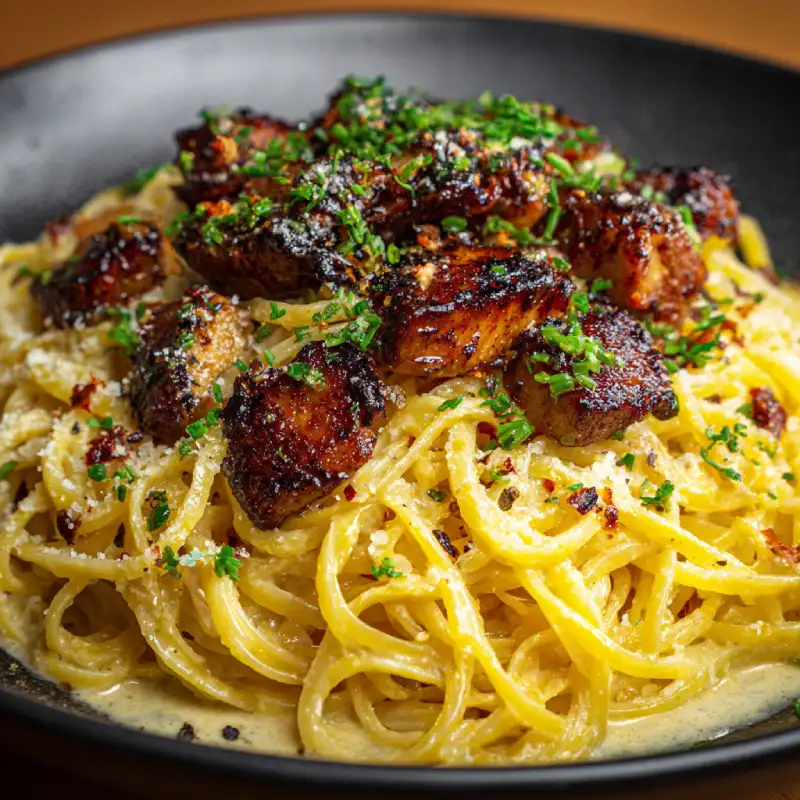
Prepare yourself for a culinary revelation! Today, we’re diving deep into a dish that redefines luxury and flavor: Foie Gras and Carbonara Pasta. Imagine the silken embrace of traditional carbonara, rich with egg yolk and Pecorino, but then, a whisper of decadence. That whisper comes from perfectly seared foie gras, meltingly tender and intensely flavorful, adding an unparalleled depth that transforms familiar comfort into an extraordinary dining experience. The interplay of the unctuous foie gras, the salty ‘guanciale’, and the creamy-peppery pasta creates a symphony on your palate that you won’t soon forget. This isn’t just a recipe; it’s an invitation to explore the pinnacles of gastronomic delight, proving that bold flavors, when harmonized, can achieve true artistry. For more culinary adventures beyond the traditional, see more good recipes here.
Why This Recipe Matters (and My Personal Journey)
For years, I’ve been obsessed with balancing extravagance and technique. Carbonara, with its deceptive simplicity, has always been a benchmark. But it was during a trip to Rome, paired with a small indulgence, that the idea for this fusion sparked. Why not elevate the humble, perfect carbonara to something truly celebratory? This recipe matters because it challenges the norms, demonstrating how high-quality ingredients, thoughtfully prepared, can turn a weeknight meal into an unforgettable event. It’s a journey of flavor, texture, and a profound respect for ingredients.
What Makes This Dish a Must-Try
Beyond the obvious allure of foie gras, this particular fusion offers a unique culinary profile. It’s got the comforting familiarity of a classic carbonara but with an unexpected layer of richness and umami that only foie gras can provide. It’s utterly creamy without a drop of actual cream, thanks to expert emulsification. Every forkful delivers a textural dance – from the yielding pasta and crispy guanciale to the melt-in-your-mouth foie gras. This dish isn’t just luxurious; it’s a testament to bold, confident cooking.
How This Recipe Works: Mastering Foie Gras and Carbonara Harmony
Achieving Creamy Emulsion Without Cream
The magic of authentic carbonara lies in the emulsion of egg yolks, cheese, and pasta water. The key is controlling your temperature. We combine the hot, starchy pasta water with the egg and cheese mixture off the direct heat, allowing the residual warmth to gently thicken the sauce without scrambling the eggs. This technique creates a velvety, luscious coating for every strand of pasta.
The Delicate Balance of Richness and Saltiness
Foie gras brings an intense, buttery richness, while guanciale provides a deep savory, salty kick. Pecorino Romano adds further sharpness and salt. The challenge, and our success, lies in balancing these potent flavors. The black pepper provides a crucial counterpoint, cutting through the richness, while the pasta acts as a perfect canvas, absorbing and harmonizing everything.
Perfect Foie Gras Sear for Optimal Texture
Searing foie gras successfully is all about high heat and quick cooking. The goal is a beautifully caramelized crust that gives way to a silky, almost liquid interior. We’ll carefully render some of its fat, which then becomes a precious ingredient itself, contributing to the carbonara sauce and tying the dish together beautifully.
Ingredients and Substitutions: The Foundation of Flavor
Here is what you need and why:
Foie Gras: This is the star of the show. I prefer ethically sourced, Grade A bloc or whole lobe foie gras for its superior texture and flavor. Its incredibly rich, buttery, and slightly gamey notes are irreplaceable. Quality truly matters here for the best experience.
Guanciale vs. Pancetta: Guanciale, cured pork jowl, is the traditional choice for carbonara. Its fat renders beautifully and has a deeper, richer flavor than pancetta. If you absolutely cannot find guanciale, unsmoked pancetta is a decent substitute, but the nuanced flavor will be different. Avoid bacon, as its smoky notes will overpower the delicate foie gras.
Pecorino Romano vs. Parmigiano Reggiano: Pecorino Romano is quintessential for carbonara, offering a sharp, salty, and pungent kick that complements the richness of the egg and pork. While Parmigiano Reggiano is a fantastic cheese, it’s milder and sweeter, which can throw off the traditional carbonara balance. Grate it fresh, always!
Egg Yolks: These are the heart of the carbonara’s creaminess. We’re using mostly yolks with a touch of whole egg to achieve that luscious, emulsified sauce without scrambling. Choose the freshest, highest-quality eggs you can find.
Pasta Choice: Shape and Texture for Sauce Adherence: Long pasta shapes like spaghetti, bucatini, or rigatoni are ideal as their surfaces are perfect for clinging to the rich carbonara sauce. The ridges of rigatoni are particularly good for capturing every drop of flavor.
Black Pepper: Freshly Ground for Pungency: Do not underestimate the power of freshly ground black pepper. Its sharp, aromatic bite is crucial for cutting through the richness and adding a vibrant spice. Pre-ground pepper simply doesn’t compare.
Fine Sea Salt: For seasoning the pasta water and adjusting the final dish. Taste as you go!
Step-by-Step Instructions: Your Visual Walkthrough to Perfection
Follow these step-by-step photos:
1. Prep the Foie Gras and Guanciale
Slice the guanciale into small lardons or cubes. Cut the foie gras into roughly 1-inch thick medallions. Dab the foie gras dry with paper towels – this is crucial for a good sear. Season the foie gras lightly with a pinch of sea salt.
2. Cook the Pasta Al Dente
Bring a large pot of heavily salted water to a rolling boil. Add your chosen pasta and cook according to package instructions until just al dente. Reserve at least 1.5 cups of the starchy pasta water before draining. Do not rinse the pasta.
3. Render the Guanciale and Sear the Foie Gras
In a large, cold skillet (preferably cast iron or heavy-bottomed), add the guanciale. Place over medium-low heat and slowly render the fat until the guanciale is crisp and golden brown. Remove the crispy guanciale with a slotted spoon and set aside. Keep the glorious rendered fat in the pan. Increase the heat to medium-high. Once shimmering, add the foie gras medallions. Sear for 1-2 minutes per side until deeply golden and crispy on the outside, but still soft and luscious inside. Remove immediately and set aside on a warm plate.
4. Emulsify the Carbonara Sauce
While the pasta cooks and immediately after searing the foie gras, quickly prepare your carbonara mixture. In a large bowl, whisk together the egg yolks (and 1 whole egg if using), freshly grated Pecorino Romano, and a generous amount of freshly ground black pepper until smooth and creamy. Add a tablespoon or two of the residual foie gras fat from the pan to the egg mixture, blending well.
5. Combine and Finish the Dish
Working quickly, add the hot, drained pasta directly into the bowl with the egg and cheese mixture. Immediately add a ladleful (about 1/2 cup) of the reserved hot pasta water and toss vigorously with tongs, creating a creamy sauce. Keep adding pasta water sparingly, a splash at a time, and tossing until the sauce reaches your desired consistency – thick, glossy, and coating every strand. Stir in the crispy guanciale. Gently fold in the seared foie gras at the very last moment, being careful not to break it up too much.
6. Plating for Presentation
Serve immediately in warm bowls. Garnish with an extra sprinkle of Pecorino Romano and more freshly cracked black pepper. A delicate sprig of fresh parsley can add a pop of color, though it’s not traditional.
Expert Tips for Success: Crucial Details You Can’t Miss
- Temperature Control: Preventing Scrambled Eggs: The key to a silky carbonara is to never cook the eggs directly over heat. The residual heat from the pasta and the hot pasta water is enough to cook the eggs into a sauce, not scramble them. Keep tossing!
- Pasta Water: Your Secret Weapon for Sauce: This starchy liquid is essential. It helps emulsify the sauce and binds everything together. Don’t throw it away! Always reserve more than you think you’ll need.
- Don’t Overcook the Foie Gras: Foie gras cooks very quickly due to its high fat content. A hot pan, a quick sear, and immediately removing it from heat will ensure a perfectly caramelized crust and a melt-in-your-mouth interior. Overcooking will render out too much fat and make it tough.
- Seasoning as You Go: Taste and Adjust: From salting the pasta water to adjusting the final sauce, tasting at every stage is crucial. Foie gras, guanciale, and Pecorino are all salty, so be mindful not to over-salt.
- Use Good Quality Ingredients: This dish truly shines when you invest in high-quality components. Fresh eggs, authentic guanciale, proper Pecorino Romano, and ethically sourced foie gras will make all the difference.
What to Serve With Your Foie Gras Carbonara
Wine Pairings for a Luxurious Meal
For such a rich and decadent dish, a wine with good acidity and some body is ideal. A crisp, dry white like a luxurious Champagne or an Oaked Chardonnay can cut through the richness. For reds, a lighter-bodied Pinot Noir with its earthy notes can be a beautiful pairing, or even a dry Sherry (Fino or Amontillado) to complement the nutty tones of the foie gras.
Simple Salad Options for Balance
To balance the opulence of the pasta, a simple, crisp green salad with a light vinaigrette is perfect. Think delicate greens like arugula or butter lettuce with a lemon-herb dressing. Avoid heavy dressings or rich salad ingredients that would compete with the main course.
Crusty Bread for Sopping Up Sauce
A warm, crusty baguette or ciabatta is essential. You won’t want to leave a single drop of that incredible carbonara sauce behind! It’s perfect for soaking up any lingering flavors on the plate.
Storing and Reheating: Enjoying Leftovers (If Any!)
Best Practices for Refrigeration
While carbonara is best eaten fresh, leftovers can be stored. Transfer any remaining pasta to an airtight container and refrigerate promptly for up to 1-2 days. The foie gras, if present, is also best consumed quickly.
Reheating Carbonara Without Losing Quality
Reheating carbonara can be tricky to avoid a scrambled texture. The best method is gentle. Place the pasta in a skillet over very low heat. Add a splash of water, milk, or broth, and stir constantly until just warmed through and the sauce loosens. Do not let it get too hot, or the eggs will scramble. Avoid the microwave if possible, as it tends to dry out the pasta and scramble the sauce.
Foie Gras Reheating Considerations
If you have seared foie gras mixed into the carbonara, it will likely lose its delicate texture upon reheating. It might become a bit more solid. The flavor will still be there, but the melt-in-your-mouth quality will diminish. It’s often best to remove any large pieces of foie gras before refrigerating leftovers, and perhaps add freshly seared foie gras if you want the full experience with a freshly made batch.
Frequently Asked Questions About Foie Gras and Carbonara Pasta
Can I use chicken liver instead of foie gras?
What if my sauce breaks?
Is there a dairy-free carbonara option?
How do I choose good quality foie gras?
Foie Gras and Carbonara Pasta
- Total Time: 35 minutes
- Yield: 2 servings
Description
Indulge in the ultimate pasta experience with this luxurious Foie Gras and Carbonara recipe, blending traditional Italian comfort with French decadence. Experience a symphony of creamy, salty, and exquisitely rich flavors in every bite.
Ingredients
- 150g (5 oz) spaghetti, bucatini, or rigatoni
- 60g (2 oz) guanciale, cut into small lardons
- 60–90g (2-3 oz) Grade A foie gras, cut into 1-inch medallions
- 2 large egg yolks + 1 whole large egg
- 50g (1.7 oz) Pecorino Romano, freshly grated, plus more for serving
- Freshly ground black pepper, to taste
- Fine sea salt, for pasta water and seasoning
- 1.5 cups reserved starchy pasta water
Instructions
- Prep the Guanciale and Foie Gras: Slice guanciale into small lardons. Cut foie gras into medallions, pat dry, and season with sea salt.
- Cook the Pasta: Boil heavily salted water. Cook pasta until al dente. Reserve 1.5 cups pasta water, then drain pasta.
- Render Guanciale and Sear Foie Gras: In a cold skillet, render guanciale over medium-low heat until crispy. Remove guanciale, keeping fat. Increase heat to medium-high, sear foie gras 1-2 minutes per side until golden. Set aside foie gras.
- Prepare Carbonara Mix: In a large bowl, whisk egg yolks, whole egg, Pecorino Romano, and generous black pepper until smooth. Whisk in 1-2 tablespoons of the rendered foie gras fat.
- Combine and Emulsify: Add hot, drained pasta and about 1/2 cup hot pasta water to the egg mixture. Toss vigorously with tongs, adding more pasta water gradually until sauce is creamy and coats pasta. Stir in crispy guanciale.
- Finish and Serve: Gently fold in the seared foie gras. Serve immediately, garnished with extra Pecorino and black pepper.
- Prep Time: 15 mins
- Cook Time: 20 mins